
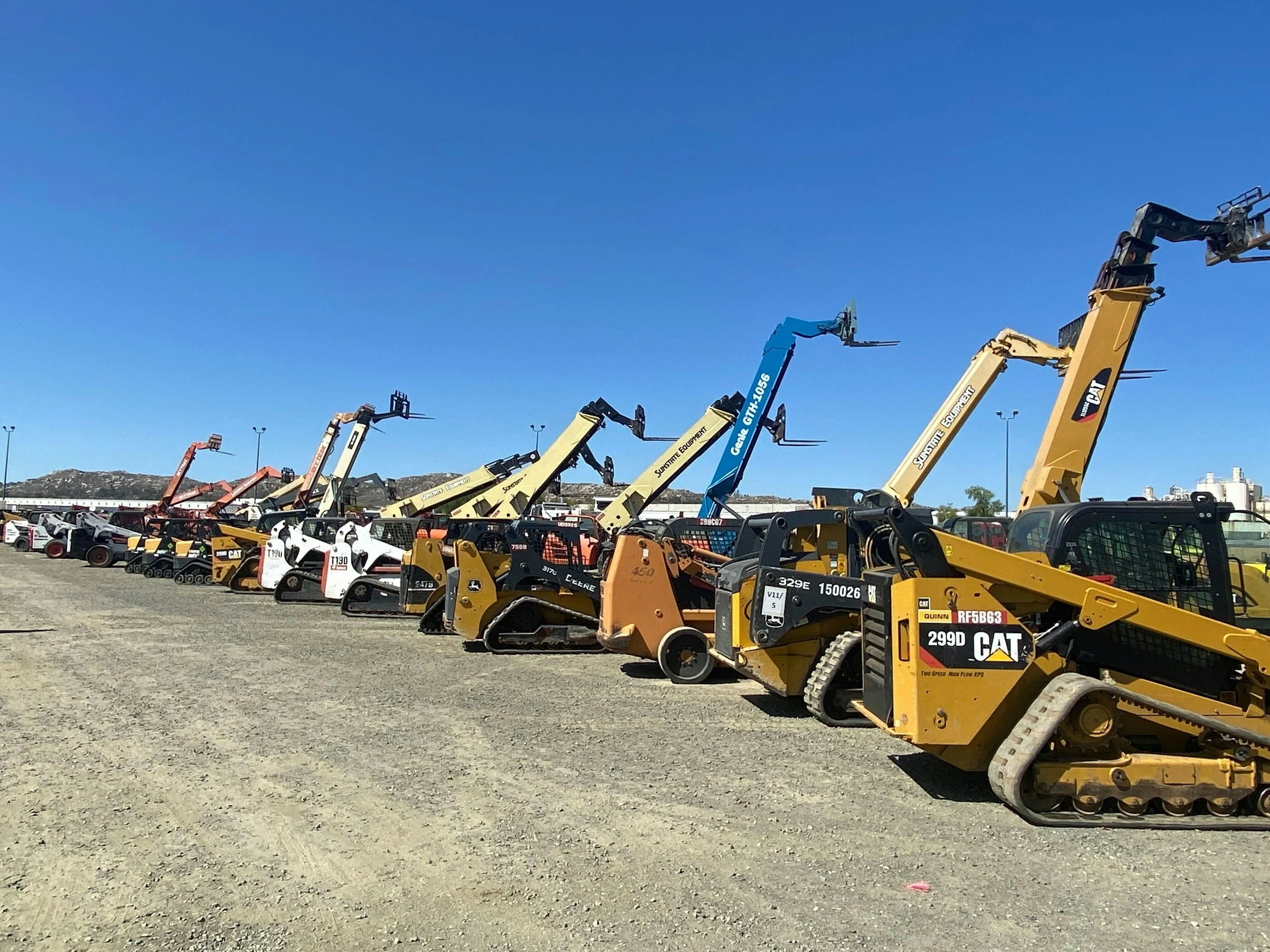
EQUIPMENT LEASING
Depreciation-Based Income & Asset Financing Strategies
This overview is designed to help tax advisors and their clients understand the key planning considerations of investing in equipment leasings.
Strategy Overview
Equipment leasing investments provide exposure to income-generating assets that are leased to operating businesses, while also offering potential tax advantages through depreciation.
These programs are built around financing essential business equipment, allowing investors to participate in asset-backed structures where income is derived from lease payments and tax benefits may be driven by depreciation deductions. This strategy is often considered as part of a broader portfolio that includes real assets and tax-efficient income opportunities.
How it all Works
Equipment leasing programs involve the acquisition and leasing of physical assets to operating businesses.
The tax advantage is generally driven by the following mechanisms.
Equipment Acquisition
An investment entity purchases equipment that is essential to a business’s operations, such as transportation, industrial, or specialized machinery.
Lease Structure
The equipment is leased to an operating company under defined terms, generating income through lease payments.
Depreciation
The owner of the equipment may be eligible to depreciate the asset over its applicable recovery period. Certain assets may qualify for accelerated depreciation, including bonus depreciation, depending on the asset, placed-in-service date, structure, and applicable limitations.
Income Generation
Lease payments provide ongoing income, while tax benefits are realized through depreciation deductions.

Key Tax Characteristics
Asset Type. Physical equipment, including industrial, transportation, or specialized machinery
Income Source. Lease payments from operating businesses
Tax Treatment. Depreciation and potential accelerated deductions
Structure. Typically held through partnerships or other investment entities
Holding Period. Multi-year, tied to lease terms, asset life, and disposition strategy

Who This Strategy May Be Appropriate For
Individuals seeking asset-backed investment opportunities
Investors interested in income-generating structures
Taxpayers evaluating depreciation-based strategies
Individuals working with advisors to diversify beyond traditional assets

Potential Benefits
Income generation through structured lease payments
Depreciation deductions that may offset taxable income
Exposure to real, income-producing assets
Diversification into business infrastructure investments
How These Investments Are Typically Structured
Equipment leasing investments are typically structured through partnerships or investment entities that own and lease equipment to operating businesses.
Common structures include:
Direct ownership of equipment within an entity
Leasing agreements with commercial operators
Structured programs with defined lease terms and exit timelines
The investment entity manages acquisition, leasing, and disposition of the equipment, while investors participate through ownership interests.
Planning Considerations
Asset Quality and Lifecycle
The performance of the investment depends on the durability, usefulness, and remaining life of the equipment.
Lease Structure Risk
Income is tied to lease agreements, making tenant quality and contract terms important factors.
Depreciation Recapture
Depreciation benefits may be recaptured upon sale or disposition of the asset.
Illiquidity
Investments are typically held for the duration of the lease and may not be easily liquidated.
Residual Value Risk
The value of the equipment at the end of the lease term may impact overall returns.
Passive Activity Limitations
Equipment leasing activities may be subject to the passive activity loss rules. Rental activities are generally treated as passive unless an exception applies.
Timing and Seasonality
Equipment leasing strategies are generally available throughout the year, but tax planning activity often increases in Q3 and Q4 as investors evaluate opportunities to offset current-year income.
Depreciation benefits are tied to the timing of asset placement into service, making coordination with tax planning important.
Regulatory Foundation
Equipment leasing strategies are primarily governed by:
IRC §168 — Depreciation, MACRS recovery periods, and potential bonus depreciation under §168(k)
IRC §179 — Expensing of certain property, subject to income, structure, and lessor limitations
IRC §469 — Passive activity loss rules
IRC §1245 — Depreciation recapture on certain depreciable personal property
IRC §280F — Listed property and passenger vehicle limitations, where applicable
Treasury regulations governing asset classification, depreciation schedules, passive activity treatment, and leasing arrangements
These provisions define how equipment may be depreciated, how related deductions may be applied, and how gains may be treated upon disposition.
Next Steps
As a tax advisor, use this information as a starting point to evaluate whether this strategy may benefit your clients. Model potential outcomes with our Tax Planning Calculator, download supporting resources, and contact Rendio to learn more about our advisor tools and education platform.
As a potential investor, discuss this strategy with your tax advisor or financial professional to determine how it may apply to your specific situation, tax profile, and financial plan.