
Investment Categories with Tax Benefits
-

Green Energy
Investment Tax Credits & Renewable Energy Incentives
Green energy investments provide access to federal tax incentives designed to encourage the development of renewable energy infrastructure in the United States. These programs allow investors to participate in projects such as solar, energy storage, and other qualifying energy systems while receiving tax credits tied to project costs.
Click here to learn more.
-

Short-Term Rentals
Cost Segregation & Material Participation Tax Strategy
Short-term rental investments occupy a unique position in the tax code, offering the potential for accelerated depreciation while maintaining classification outside of traditional passive real estate activity under certain conditions.
Click here to learn more.
-

Oil & Gas
Intangible Drilling Cost Deductions & Working Interest Tax Benefits
Oil and gas investments have long held a unique position in the U.S. tax code, offering investors access to accelerated deductions and tax-advantaged income streams not commonly available in other asset classes.
Click here to learn more.
-

Charitable Land Donation
Conservation Easements & Charitable Deduction Strategies
Charitable land donation strategies provide a mechanism for property owners to contribute land or development rights to qualified charitable organizations while potentially receiving a charitable income tax deduction.
Click here to learn more
-

Real Estate
Depreciation, Cost Segregation & Capital Gain Planning Strategies
Real estate investments have long been a cornerstone of tax-efficient wealth planning due to their ability to generate income, provide depreciation-based deductions, and support capital gain deferral strategies.
Click here to learn more.
-
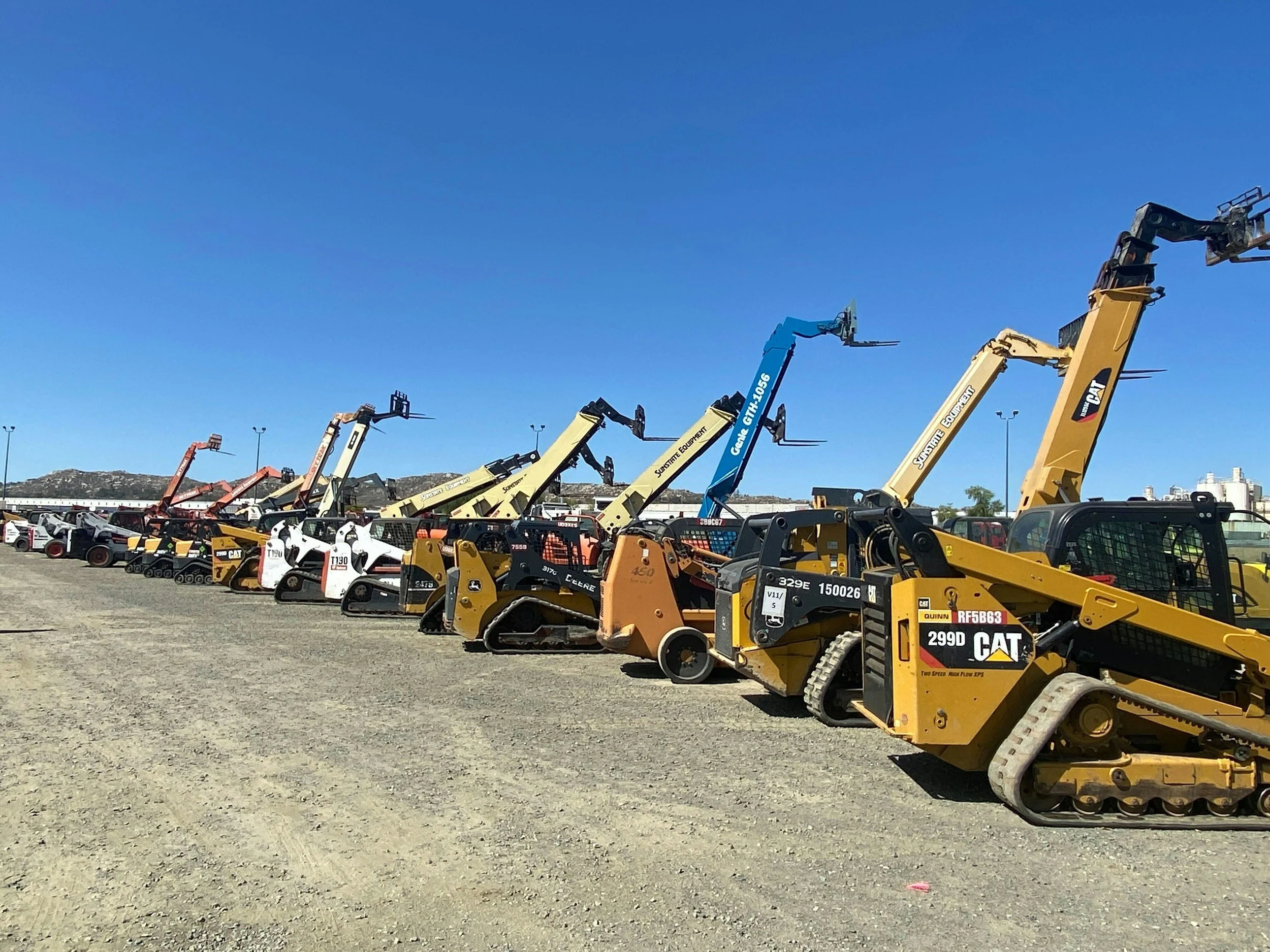
Equipment Leasing
Depreciation-Based Income & Asset Financing Strategies
Equipment leasing investments provide exposure to income-generating assets that are leased to operating businesses, while also offering potential tax advantages through accelerated depreciation.
Click here to learn more.
-

Movie Production Tax Credits
State Incentives & Transferable Credit Strategies
Movie production tax credit programs are designed to encourage film, television, and digital media production within specific states by offering tax incentives tied to qualified production expenditures.
Click here to learn more.
-

Historic Building Rehabilitation
Historic Rehabilitation Tax Credits & Preservation Incentives
Historic building rehabilitation investments provide access to federal and, in many cases, state tax credits designed to incentivize the substantial rehabilitation of certified historic structures. These programs support the preservation of architecturally and culturally significant buildings while offering investors participation in real estate redevelopment projects.
Click here to learn more
-

Qualified Opportunity Zones
Capital Gain Deferral & Long-Term Appreciation Strategies
Qualified Opportunity Zone (QOZ) investments were established to encourage long-term capital investment in designated economic development areas across the United States.
Click here to learn more.
-

Roth Conversions
Tax Rate Arbitrage & Tax-Free Retirement Income Strategies
Roth conversion strategies allow individuals to shift retirement assets from tax-deferred accounts into tax-free accounts by recognizing income today in exchange for potential tax-free growth and withdrawals in the future.
Click here to learn more.
-

Cash Balance Plans
High Contribution Retirement Strategies for Tax Deferral
Cash balance plans are defined benefit retirement plans designed to allow higher annual contributions than traditional defined contribution plans. They are commonly used by business owners and high-income professionals seeking to accelerate retirement savings while reducing current taxable income.
Click here to learn more.
-

Micro Captive Insurance (831b)
Risk Management Structures & Tax Election Considerations
Micro captive insurance arrangements are designed to allow businesses to insure specific risks through a wholly owned or related insurance company. These structures are commonly used to address exposures that may not be fully covered or economically insured through traditional commercial insurance markets.
Click here to learn more.